M&V Dairy Farms
Holstein productivity • Maasai women’s leadership • Northern Tanzania
This past summer, we piloted a high-yield dairy venture in partnership with a Maasai host family. M&V Dairy Farms emphasizes Holstein productivity and Maasai women’s dairy leadership—building a cooperative model designed to scale through operating standards, not improvisation.
Holstein cattle are the world’s highest milk producers and are adapted for large-scale farming. Our focus is translating that productivity into locally durable systems—especially where women already do much of the daily dairy labor but are too often excluded from dairy income and leadership.
This cooperative is intentionally structured as a for-profit, employee-owned cooperative initiative (B-corp-aligned) to emphasize lasting sustainability within the organization and community, exceeding short-term donor incentives. NGO and non-profit models’ tendency to rely on loan cycles can have reverberating effects on workers and communities whose livelihoods depend on the sustainability of these undertakings. Cooperative members participate in an employee-ownership structure through redeemable equity units tied to tenure and role, rather than freely transferable individual shares.
 Team
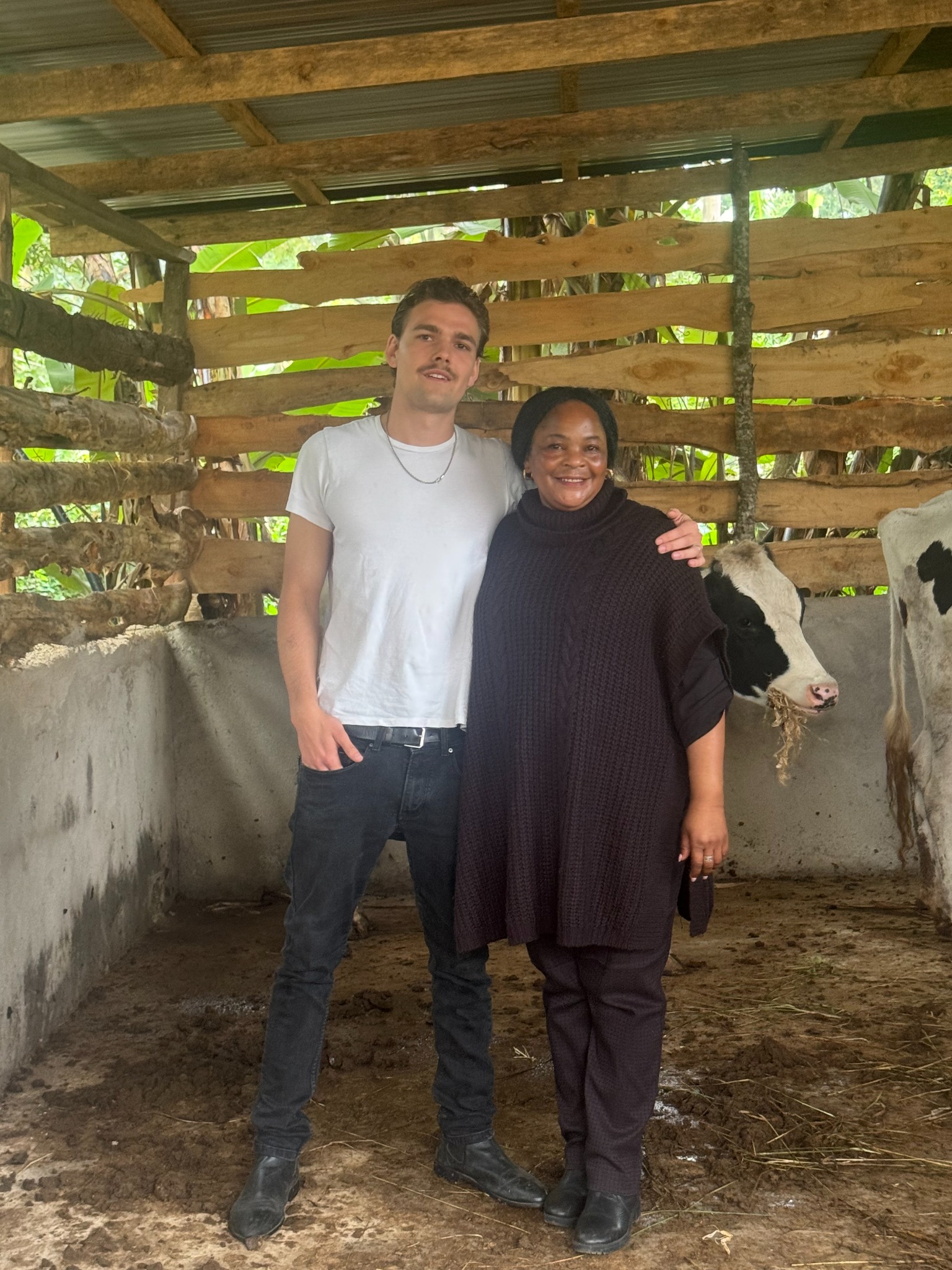
Team
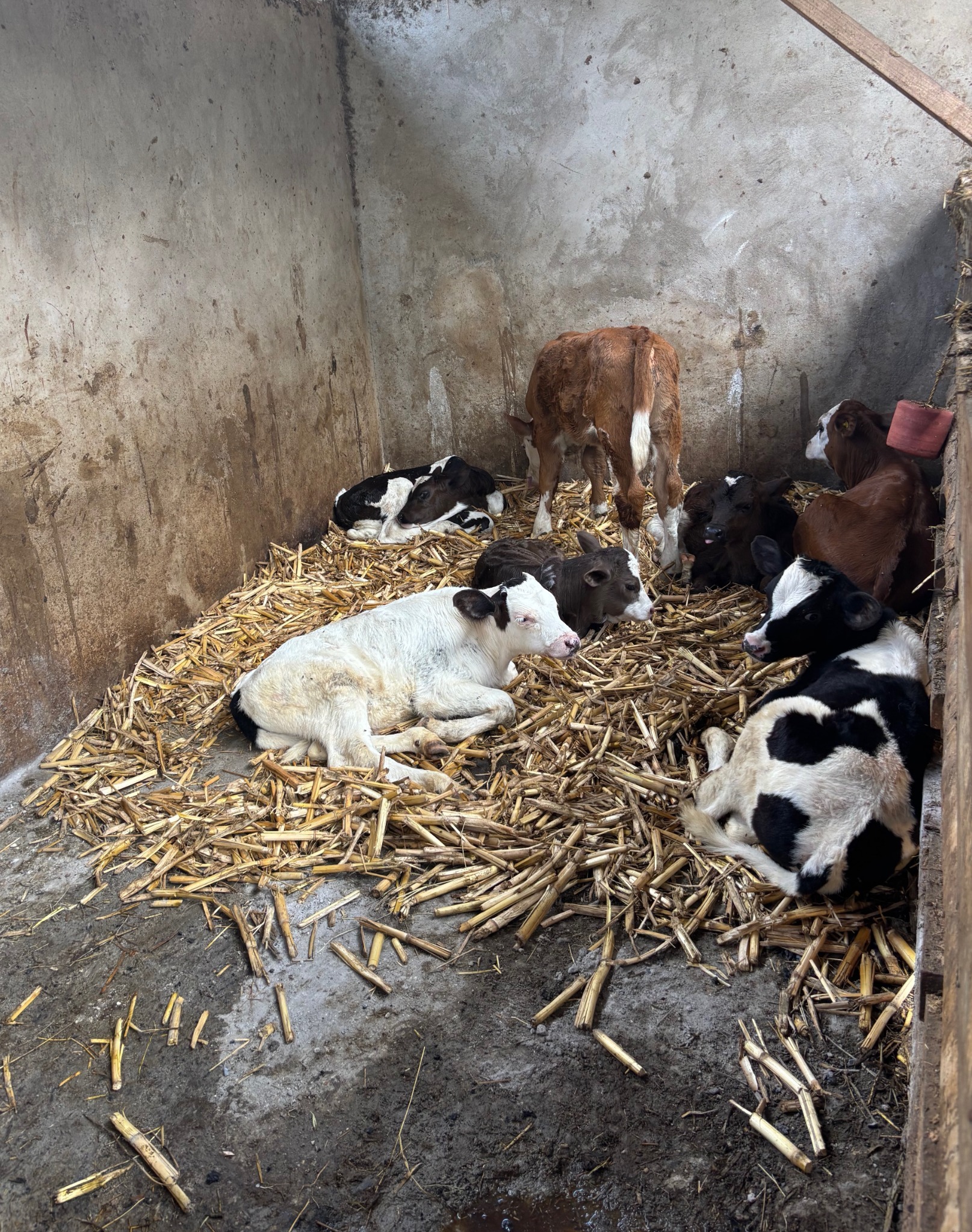 Calves
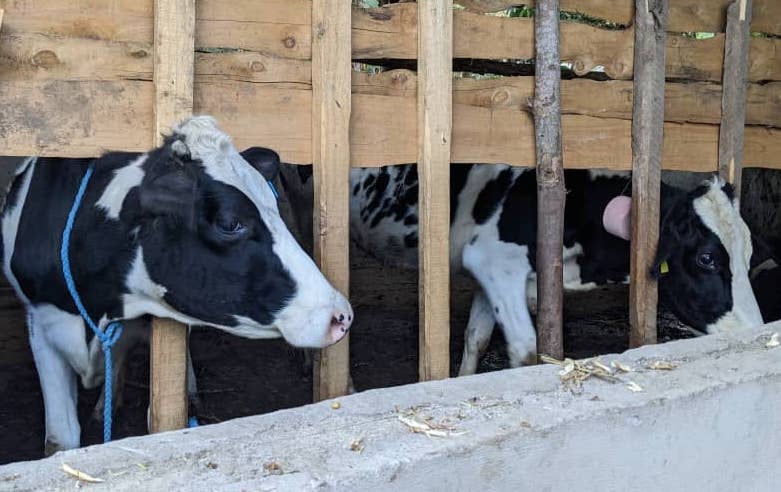 Holsteins
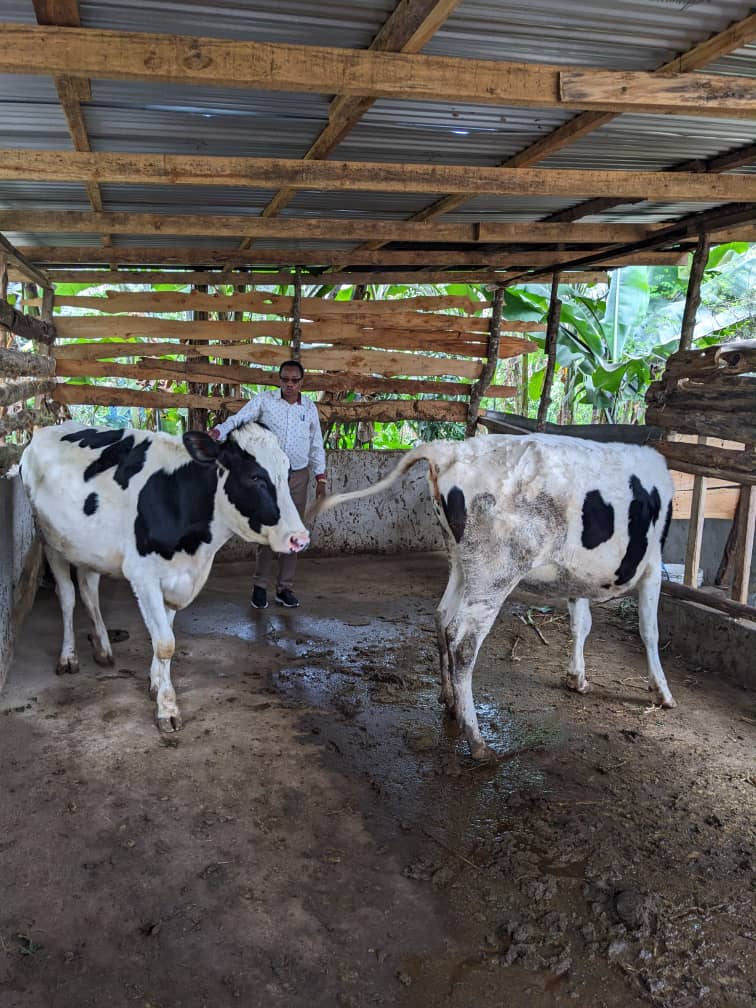 Herd
Herd
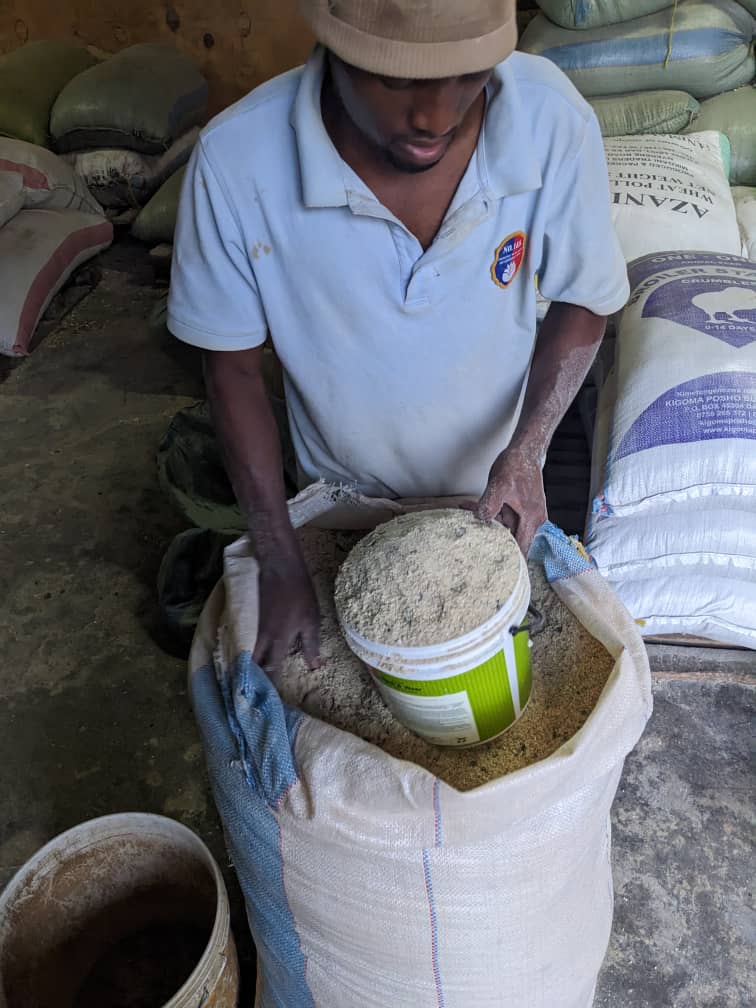 Feed
Feed
Mission statement: Establish a cooperative network of commercially viable Holstein dairy farms that increase milk productivity in Northern Tanzania while creating stable employment and leadership pathways for Maasai women.
Impact statement: M&V Dairy Cooperative aims to foster peace by emphasizing Maasai women's dairy leadership – integrating education, equity, and employment to address poverty cycles and the historic impacts of gendered-colonial violence that conceptually devalued Maasai women as leaders in agriculture.
Women-centered dairy leadership pathways that formally recognize and compensate the labor Maasai women already perform—anchored in decision-making authority, training, and ownership within the cooperative.
Controlled use of high-performing Holstein Friesian genetics through selective breeding decisions that prioritize productivity, herd health, and environmental fit—protecting genetic quality while avoiding uncontrolled expansion.
Non-negotiable operating standards enforced across all cooperative farms, including intensive feed management, consistent veterinary care, milking hygiene, and heat management. These SOPs ensure that genetic potential is reliably converted into milk output and herd stability.
A cooperative model centered on education, employment, and equity—integrating STI education (science, technology, and innovation) with DUI education (doing, using, and interacting) to build durable, locally owned dairy livelihoods.
We are building a nucleus Holstein dairy farm that functions as a parent organization and training center. The cooperative’s members participate in an employee-ownership structure through redeemable equity units tied to tenure and role, rather than freely transferable individual shares. A rolling average of cooperative net income and asset value is used to continuously value equity units, capped to protect operating liquidity. When employees exit the cooperative, their equity units are bought back at a predefined formula price by the cooperative to preserve ongoing feasibility and operate similarly to retirement funds for members. As trained women hit competency and productivity benchmarks, they can launch small production units (2–3 Holstein Friesian each) under the cooperative, maintaining shared protocols, veterinary relationships, and genetics guidance to reduce failure risk. Over time, women-owned farms are linked into a controlled production network with uniform standards and aggregated output.
Email: mvdairyfarms@gmail.com
Instagram: @mvdairyfarms
Plus Code: JV92+X5M
Area: Leganga, Tanzania
Donations support Holstein operating standards and women-led training pathways. If you’re funding a specific line item, include it in the note.